



Previous
Previous
Sneak peek: our latest advertising campaign for Mylee.
Next
Next
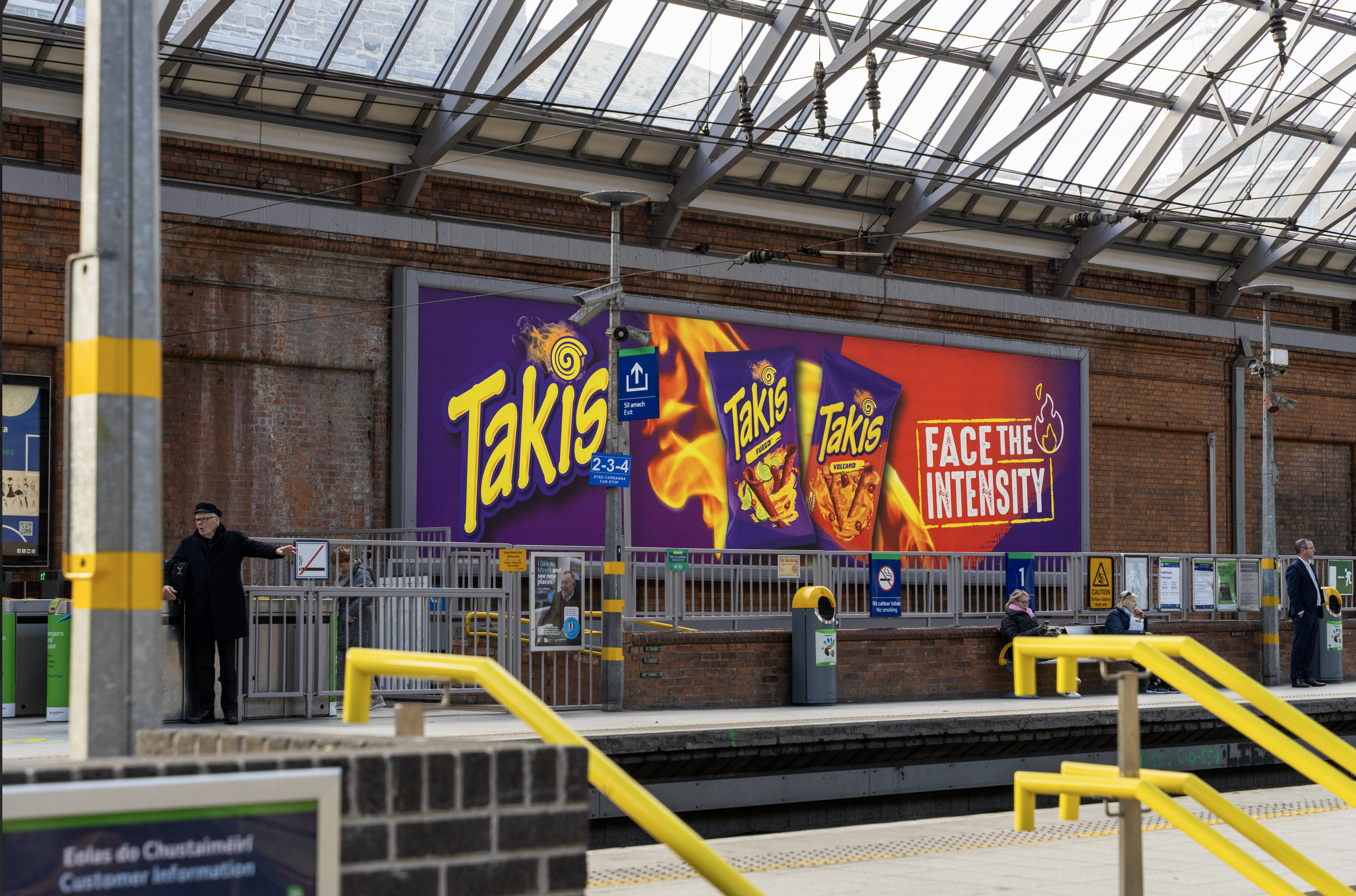
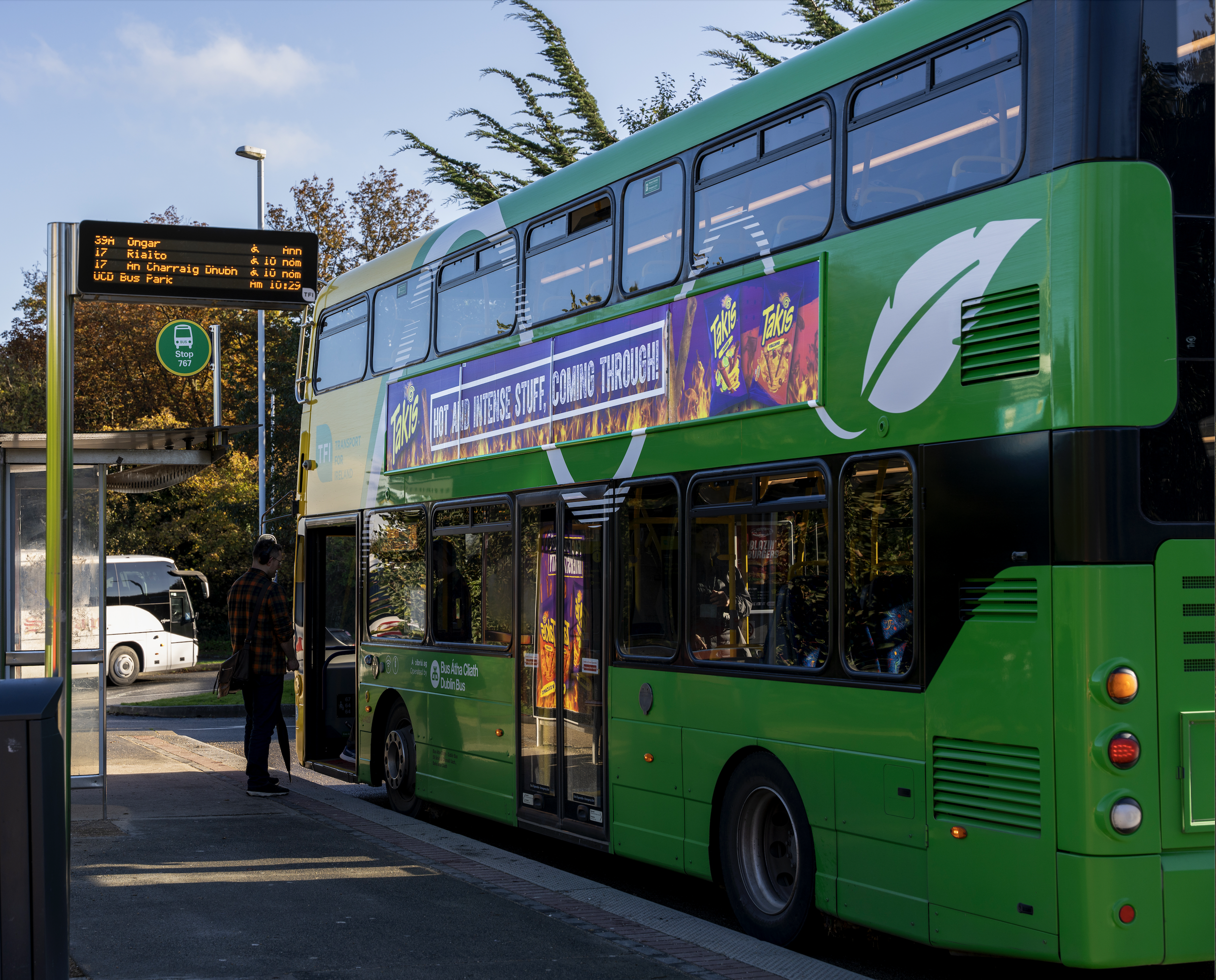
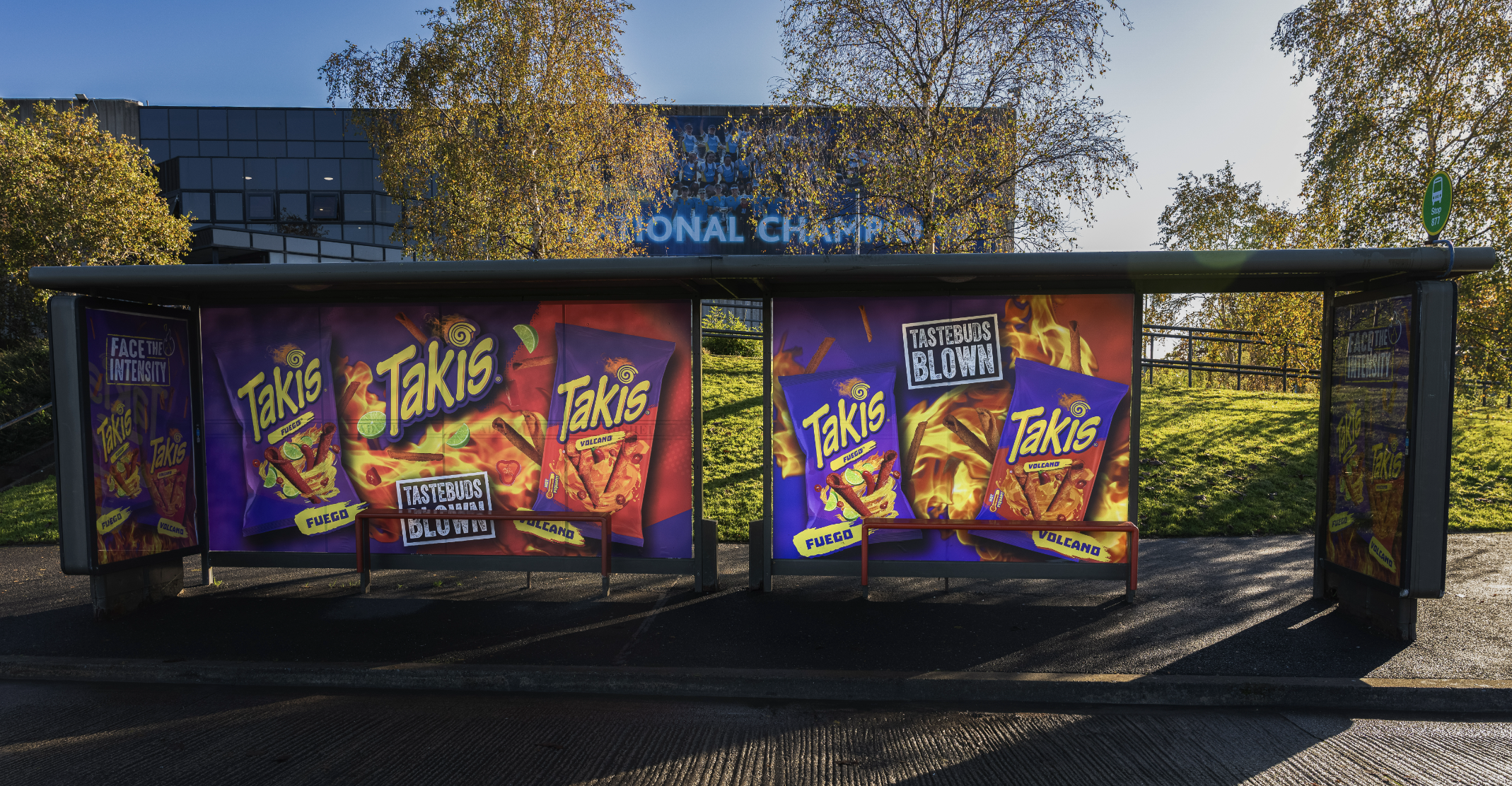
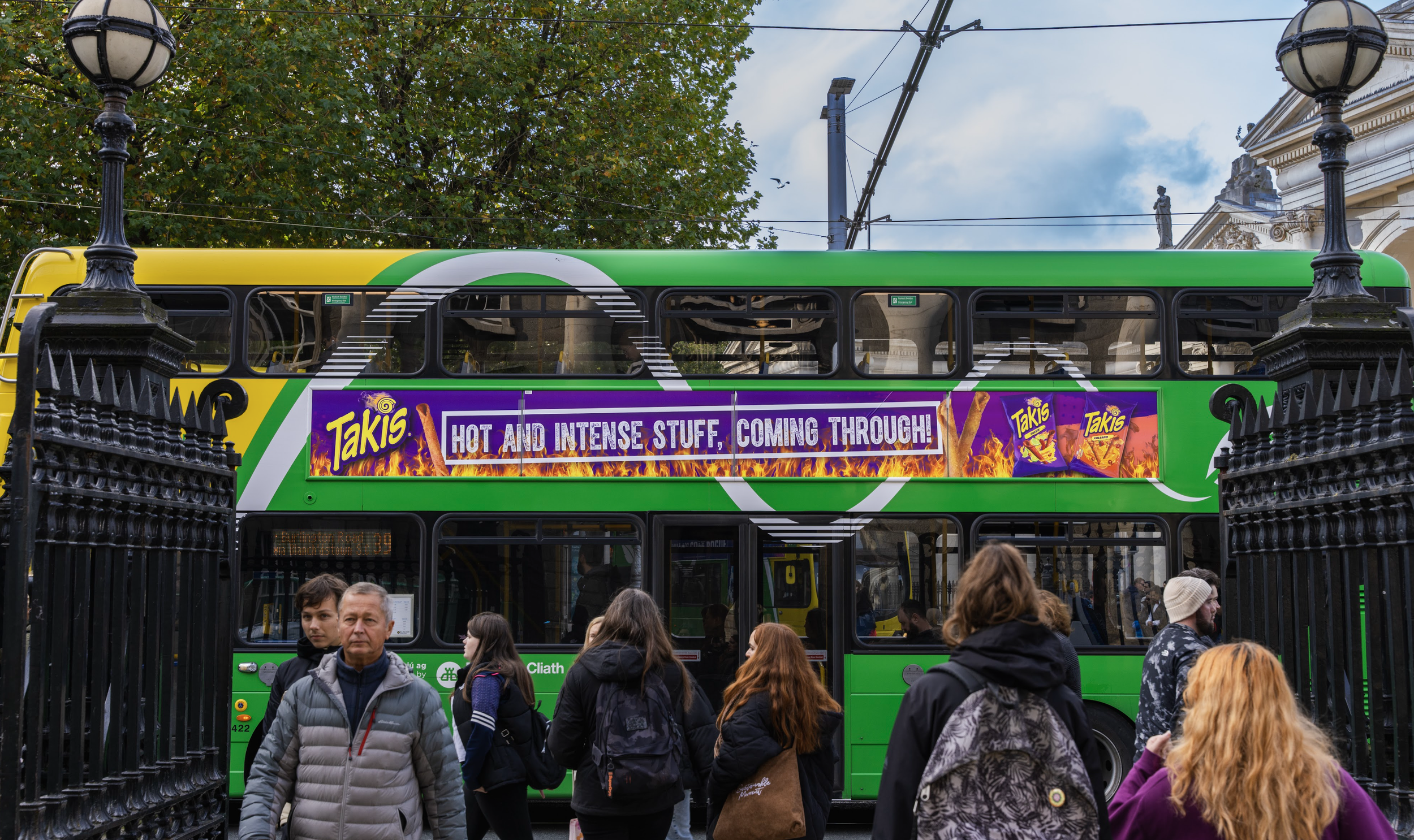
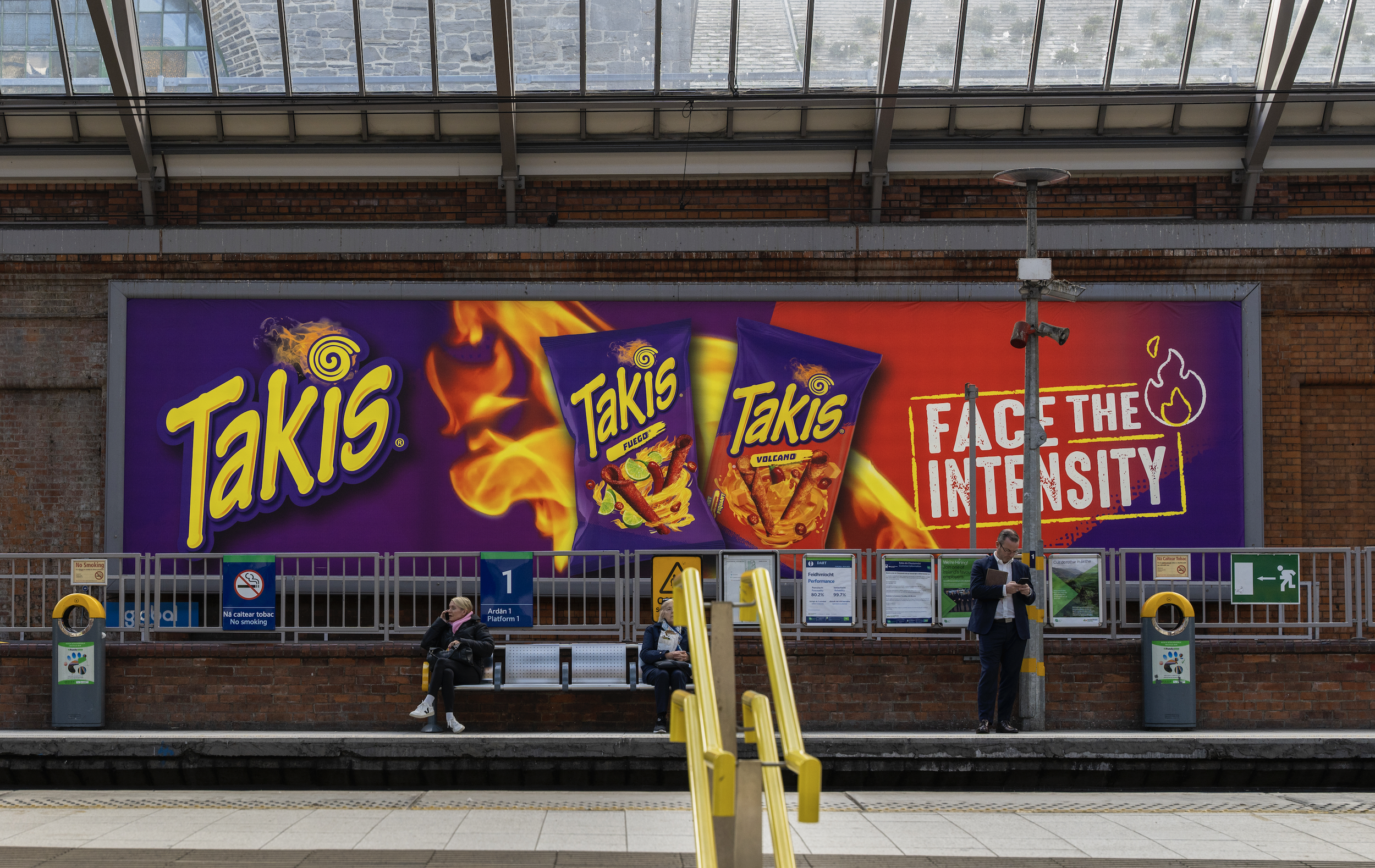
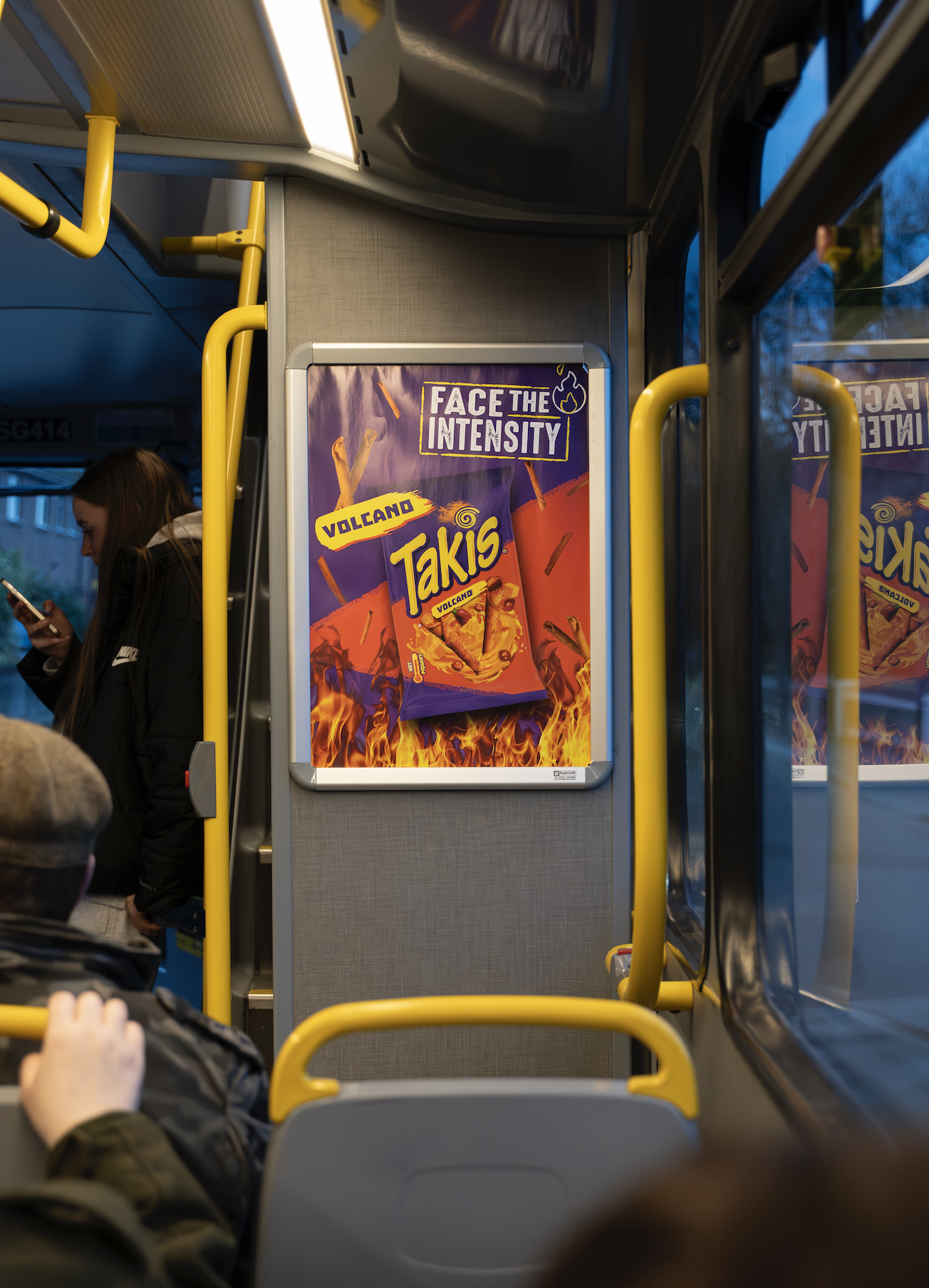
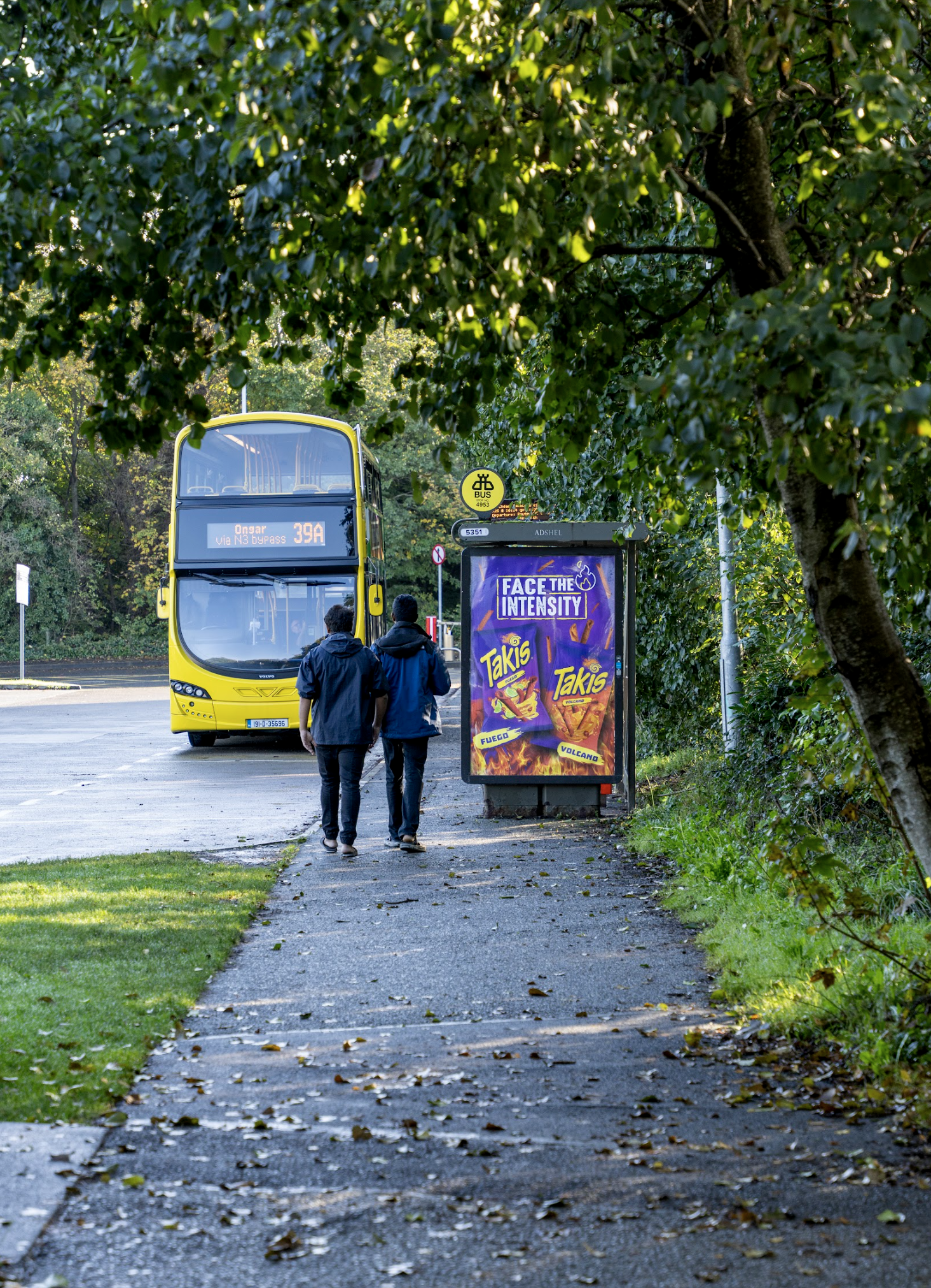
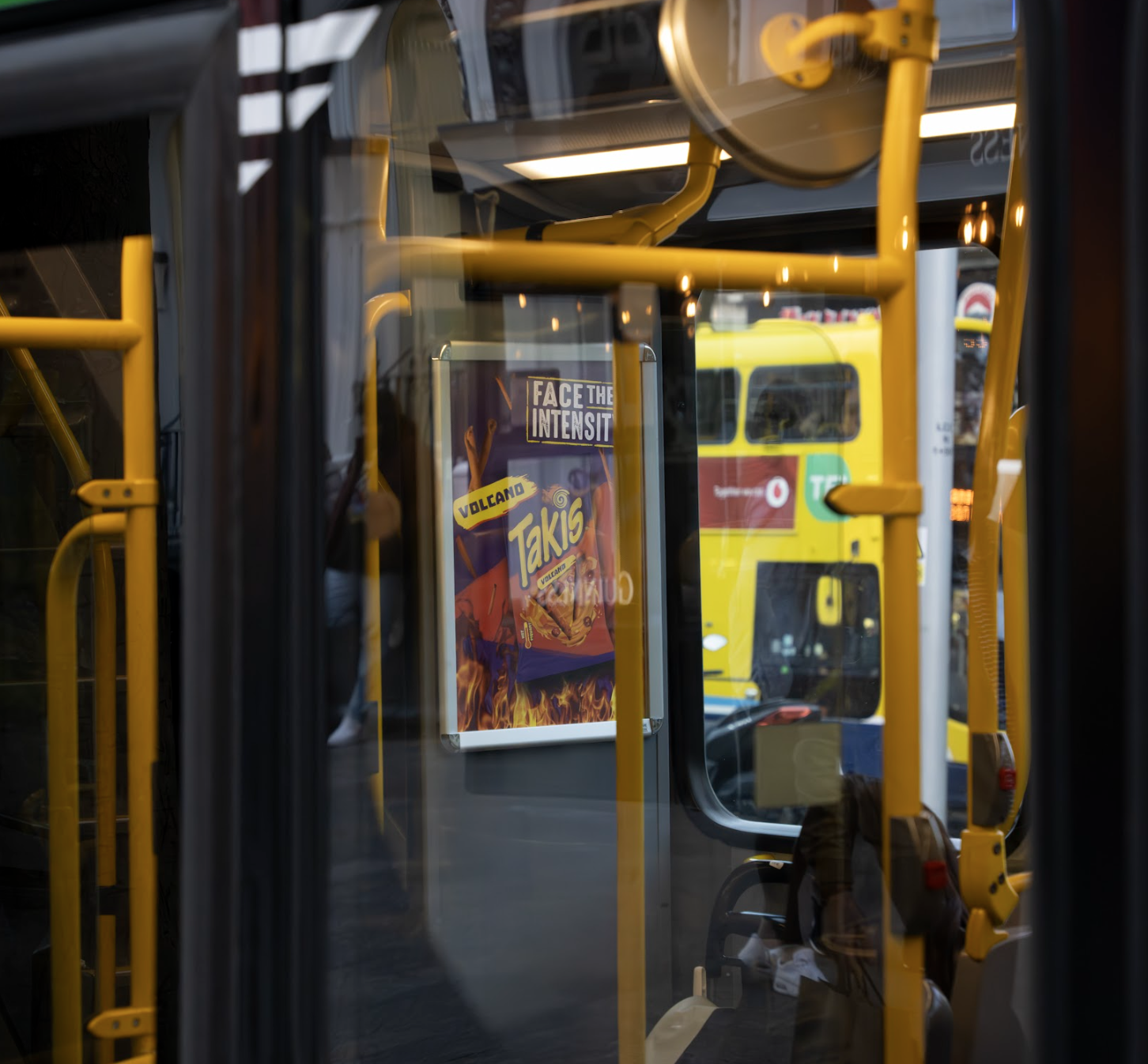
Choose one standout billboard when a specific location and a strong creative idea can carry the campaign. Choose multiple smaller placements when the priority is covering a wider catchment or building familiarity across everyday journeys. Neither approach wins simply because the advert is bigger or the site list is longer.
One Day Agency's billboard advertising and local advertising planning starts with the audience you need to reach. A city-centre landmark and a network of neighbourhood panels may have similar budgets but perform very different jobs.
It is time to consider an agency when the work your business needs consistently exceeds what your team can deliver well. That might mean entering an unfamiliar channel, improving weak campaign performance or giving an overstretched team room to plan beyond next week's deadlines.
The decision does not require handing over the entire marketing function. One Day Agency's media planning and buying and creative services can support specific areas while your internal team retains ownership of the brand and business priorities. The task is to identify where outside expertise would make a meaningful difference.
A billboard stands out in a screen-heavy city by being easier to recognise, not simply louder. When every panel is moving, a bold static frame, distinctive brand cue and one confident thought can create the contrast.
One Day plans digital out-of-home campaigns as a combination of site, audience, viewing conditions and creative. The media and the idea are developed together, because a strong asset on the wrong screen still disappears.
The first creative question is not “what can this screen do?” It is “what should someone remember after one or two seconds?”
Bus side and bus stop advertising can appear almost interchangeable on a media plan. In practice, they behave very differently. One travels through a route; the other owns a fixed point within it.
Bus advertising is strong for mobile reach and repetition across neighbourhoods. Bus stop advertising gives advertisers location precision and a longer opportunity to communicate. The better choice depends on what the campaign needs people to notice, remember or do.
Britain recorded more than four billion local bus journeys in the year ending March 2025. That scale makes the environment valuable, but passenger volume alone cannot decide which format will work harder for a specific brief.
A billboard campaign can work long before someone clicks, visits or buys. That is why measuring OOH only through a QR code or a final sales number misses most of the story.
A useful evaluation connects the media delivery to audience exposure, attention, brand response and commercial outcome. One Day's out-of-home team builds that measurement plan before sites are booked, while there is still time to create a baseline and a credible test.
Billboards can be highly effective, but their return is not always captured by one simple sales figure. A campaign may increase branded search, drive people into shops, support a launch, improve recall or make other channels perform better. To understand billboard ROI, brands need to look at the full role outdoor advertising plays in the customer journey.
Motorway billboard advertising helps brands reach drivers, passengers, commuters and long-distance travellers on major road networks. To advertise on motorway billboards effectively, you need to choose the right route, understand the audience using that road, keep the creative simple, check permissions and measure how the campaign supports awareness, search, website traffic or store visits.
Bus shelter advertising gives brands a practical way to reach people at street level while they wait, walk, shop or travel. To advertise in bus shelters effectively, choose the right locations, decide between static and digital formats, keep the creative simple and plan how the campaign will connect with wider media activity. Brands can use bus stop advertising as a standalone local campaign or as part of a wider transport advertising strategy across buses, rail, taxis and roadside formats.
Welcome to the wonderful world of 3D digital billboards. In this article, we take a look at how 3D digital billboards work and explore their role in the future of billboard advertising.
Today, we're looking at the various types of graphic displays available to UK businesses, the rules you may need to be aware of in terms of placements and permissions, and the advantages of using roadside promotions as part of your marketing strategy.